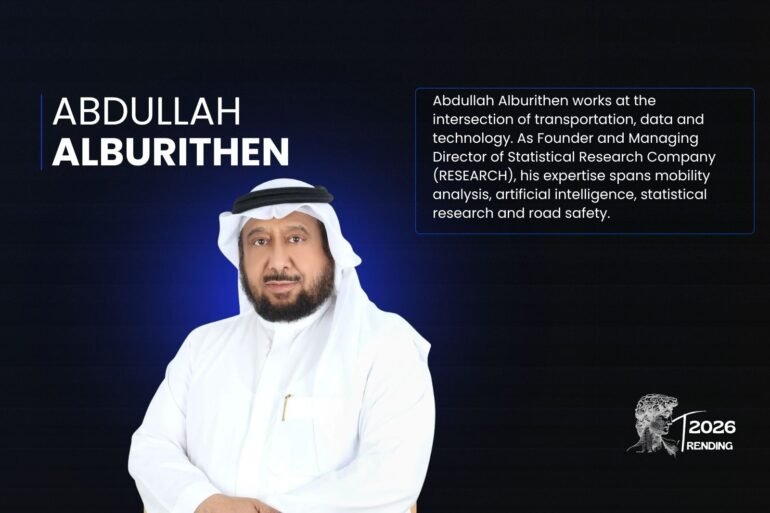
Abdullah Alburithen works at the intersection of transportation, data, and technology, bringing together mobility analysis, artificial intelligence, statistical research, and road safety. As Founder and Managing Director of Statistical Research Company (RESEARCH), he has developed a professional focus around using evidence and technology to better understand how transportation systems operate and how they can be improved.
His work reflects a broader shift taking place across modern mobility: transportation is no longer shaped solely by roads, vehicles, and infrastructure, but increasingly by the quality of the data used to understand movement, identify risks, and support decisions.
Turning Data into Mobility Intelligence
For Alburithen, statistical research provides an important foundation for understanding transportation challenges. Mobility generates enormous amounts of information, from traffic patterns and road behaviour to travel demand and safety indicators. The challenge lies in transforming that information into meaningful insight that can support better decisions.
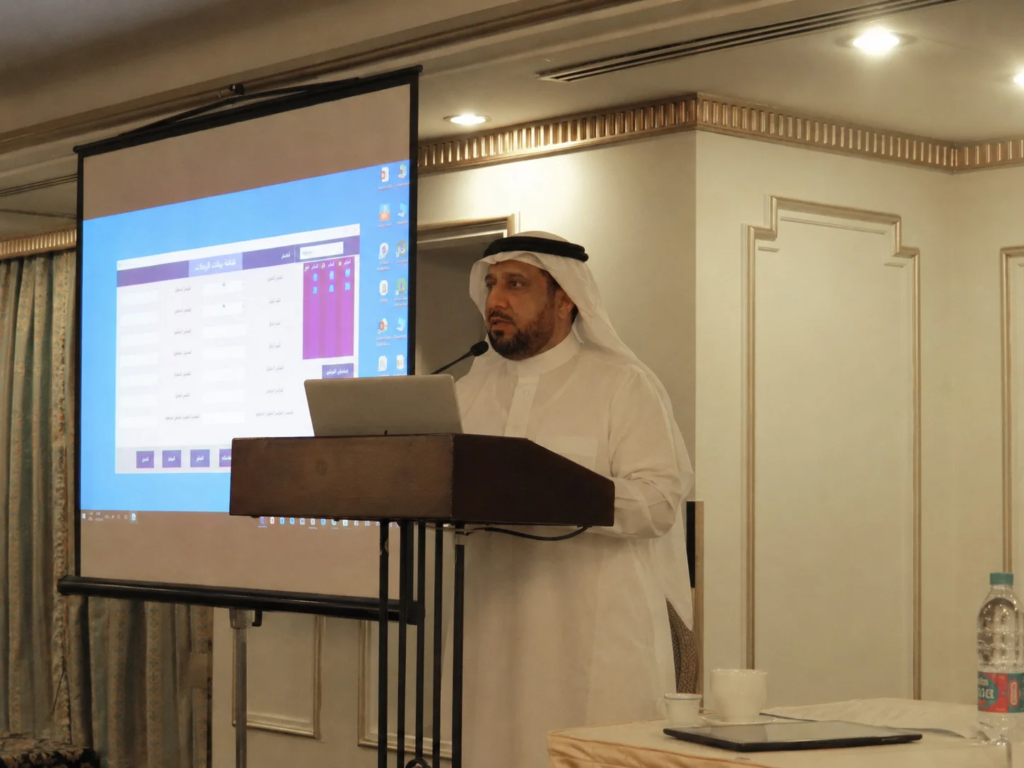
“Better mobility begins with better understanding of how people, vehicles, roads, and data interact.”
This perspective has shaped RESEARCH around a data-driven approach to transportation, where analysis is connected to practical mobility challenges rather than treated as an isolated technical exercise.
By bringing statistical research together with emerging technologies such as artificial intelligence, Alburithen’s work addresses the growing need for transportation systems that are more measurable, responsive, and informed by evidence.
From Transportation Analysis to Strategic Insight
Alburithen’s expertise spans several closely connected disciplines. Mobility analysis provides insight into how transportation networks function, while statistical research creates the frameworks needed to interpret complex datasets. Artificial intelligence adds another layer, creating opportunities to process information at greater scale and identify patterns that may otherwise remain difficult to detect.
Road safety forms another important dimension of this work. Understanding where, when, and why risks emerge requires more than infrastructure alone; it requires reliable information and analytical methods capable of identifying patterns across transportation environments.
This combination gives Alburithen a multidisciplinary perspective on mobility, connecting technical analysis with the wider objective of creating transportation systems that can operate more intelligently and safely.
Technology with a Practical Purpose
A recurring theme in Alburithen’s approach is the relationship between technology and real-world outcomes. Artificial intelligence and data analytics can provide powerful capabilities, but their value ultimately depends on how effectively they are applied to practical problems.

In transportation, this means using technology to understand movement, anticipate challenges, improve decision-making, and support safer roads. It also means recognising that successful digital transformation requires a clear understanding of the systems being transformed.
As cities and transportation networks become increasingly connected, the role of data is likely to become even more significant. Mobility organisations will need stronger analytical capabilities to respond to changing travel patterns, increasing urbanisation, technological disruption, and growing expectations around safety and efficiency.
Alburithen’s work sits within this evolving landscape, bringing together transportation expertise, statistical thinking, and emerging technology to explore how better information can contribute to smarter mobility.
Trending Leaders Recognition
Trending Leaders recognizes Abdullah Alburithen for his work across transportation, statistical research, artificial intelligence, mobility analysis, and road safety, and for his contribution to advancing data-driven thinking within the evolving mobility and transportation landscape.